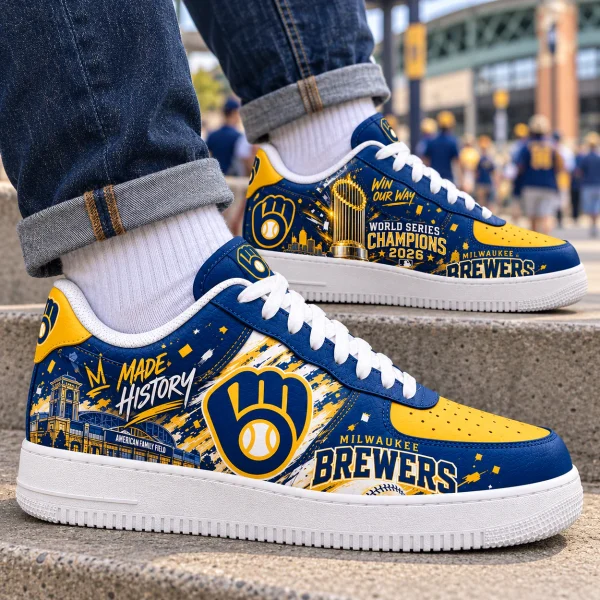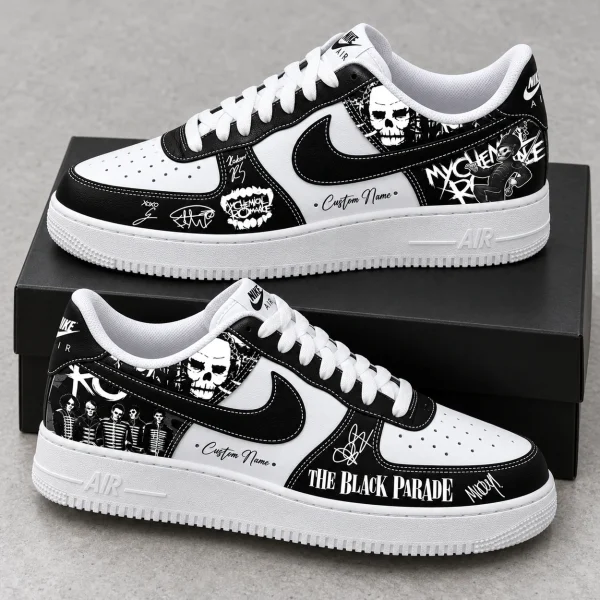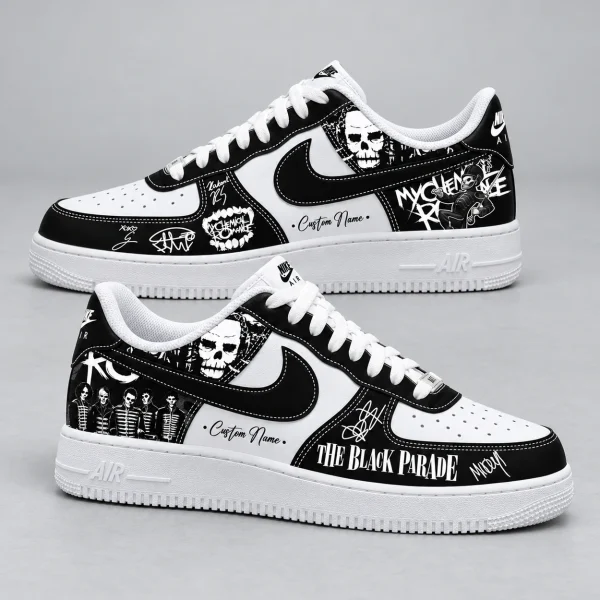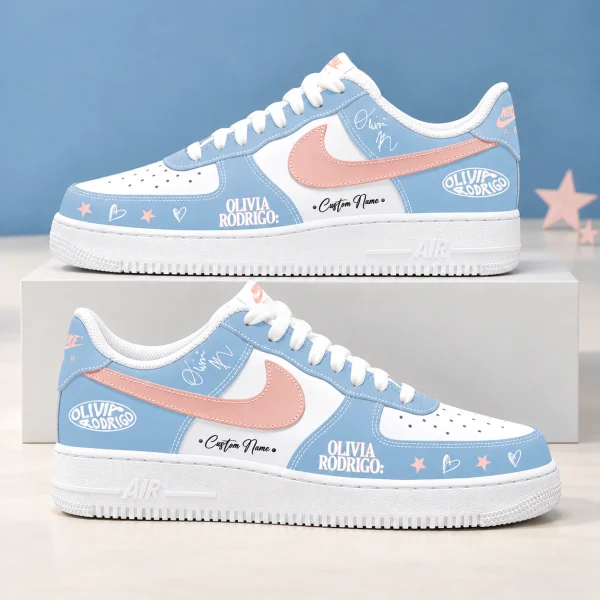
Shoes
Shoes are the last thing you put on before you leave and the first thing that decides if you can stand through three hours of standing. Everything else about them follows from that: how much ankle they cover, what the sole grips like, and how much air gets through the upper.
Two shapes
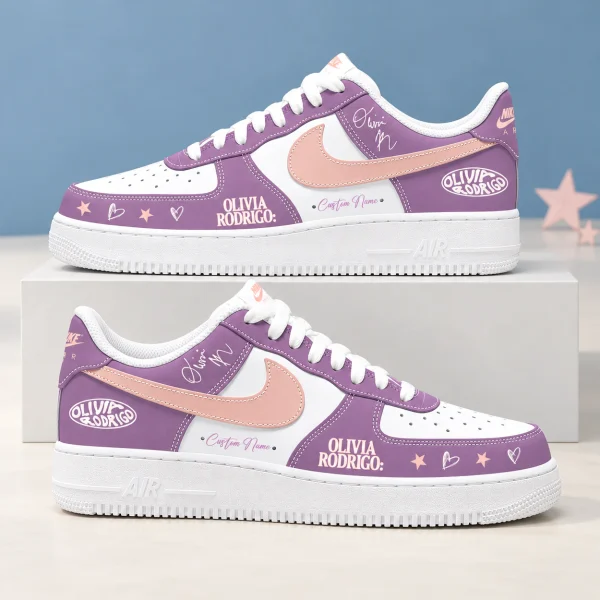
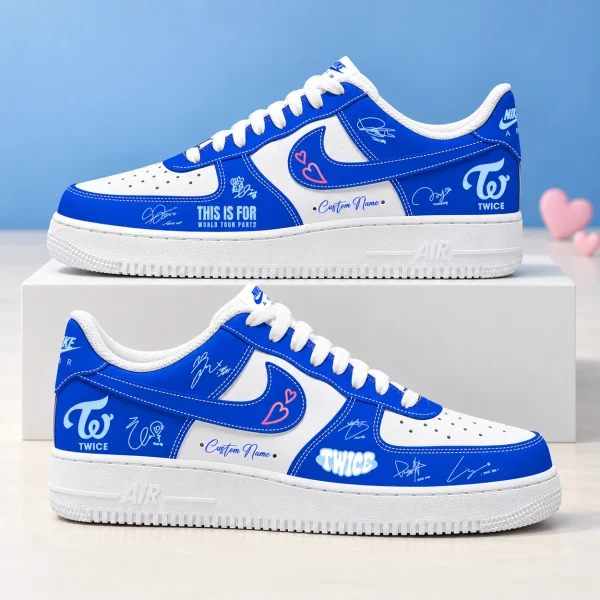
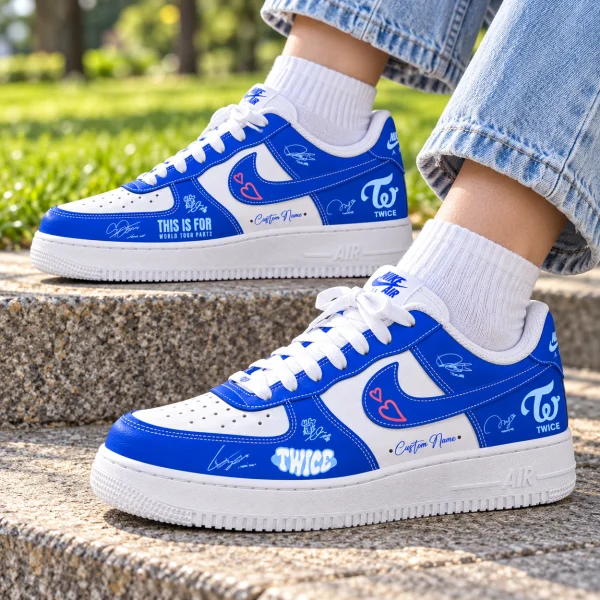
The difference between the two builds is where they stop. The low top finishes under the ankle, which keeps the foot free and reads cleaner with a shorter trouser. The high top rises past the ankle with a padded collar, which gives the joint more support and changes the line of the leg — it sits better over a jogger than under one.
Underneath, the build is the same, so the choice is about coverage rather than quality.
What takes the wear
The sole is rubber, stitched along its edge rather than only glued. Stitching is what keeps an edge from peeling apart after a wet season, and it is the part of a shoe that usually fails first. The tread is cut for grip, so it holds on wet pavement and a stadium concourse rather than only on a dry floor.
The upper is perforated, which lets heat out through the top of the foot. On a warm afternoon that is the difference between a shoe you forget about and one you want off by halftime.
Inside
The insole is a high-density poly, thicker than the flat insert most shoes ship with. It keeps the foot off the sole unit, holds its shape under weight, and the material is breathable, so the inside does not turn into a swamp by the second hour.
The fit
Sizes run in half steps across the range, for men and women, and the lacing adjusts over the instep rather than only across the top. Because the shoes are measured by hand, allow for a small tolerance — up to half a centimetre either way — rather than an exact match to a ruler.
The colour rule
One detail is worth knowing before you choose a design: the laces and the inner lining follow the colour of the sole. A white sole brings white laces and a white lining; a black sole brings black ones. That is how the shoe is built, not a mistake.
Looking after them
- Wipe the upper with a damp cloth rather than soaking it.
- Air dry away from direct heat; keep them out of the machine.
- Brush the tread when grit starts to build up.
- Stuff the toe with paper between wears so the shape holds.
Where it fits
They are the pair that gets worn to the game and then everywhere else: the walk from the car, the queue at the gate, the drive home with the windows down. In summer they go with shorts; once it turns they sit under a jogger without the leg bunching over the collar.